The Place of Creative Genius (part I)
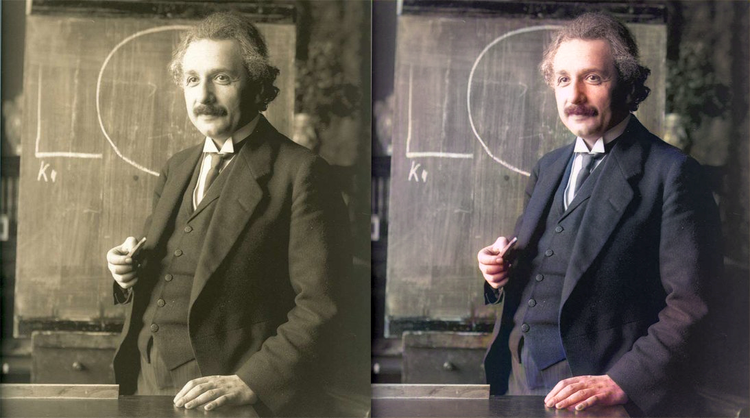
As the Renaissance ended in Florence, Italy, the scientific revolution marched through Western Europe, marking the emergence of modern scientific thinking. Rapid developments transformed society’s views of nature. So what was it about this place and time that produced so many ‘creative geniuses’?
Totally Radical
When I first started in science, I did a lot of reading. It seemed like a good idea at the time: read the literature. Get familiar with the field. Think deeply. And come up with a new idea. But this approach no longer works and we need to radically re-imagine the way we approach science.
Permissionless
Every graduate student in the biomedical sciences has a 'super-top-secret-side-project'. In the past few years, this permissionless ethos is found in fields as far-ranging as finance, journalism, therapy, art, and beyond. A new permissionless economy has arrived and no one will ask to send it back.
Play infinite games
A finite game is played to win. An infinite game is played for the sake of playing. Business is the archetype of an infinite game. Science is an infinite game too. Rather than chasing promotions or the next big thing whose rewards quickly fade, the game should be played over the long term.
Be a motivated person who does things
Everything has been written about motivation, except, perhaps, the quotes in the gallery. But what makes motivation a perennial muse? The mystique surrounding our shared experience: doing things we want to do can be hard. How can we become more motivated?
Can computational thinking provide the answer?
In the past ten years, computational thinking has emerged as a 'new type' of thinking, inspired by computing and the incalculable impact it has had on society. But what exactly is computational thinking, and can you teach it?
Why you need to learn to program
A generation ago, a balanced liberal arts education was measured by a student's ability to read and write. The next generation of students will be measured by digital literacy, fluency in 'coding' languages, and their ability to uncover patterns in data and communicate their findings.
Stop falling into a productivity trap
We cannot always measure the direct *productivity* output for what we're doing; stop trying.
The curious thing about curiosity
When solving problems or undertaking a new creative endeavor, cultivating curiosity is the first step to developing an exploratory mind in order to connect ideas previously unconnected.
Creativity Defined
Creativity is an elusive muse, difficult to define, and even harder to capture.
What exactly, though, is so mythical about creativity?